Your home for Uzbek flavours in Güzelbahçe güzelbahçe özbek mantıcısı
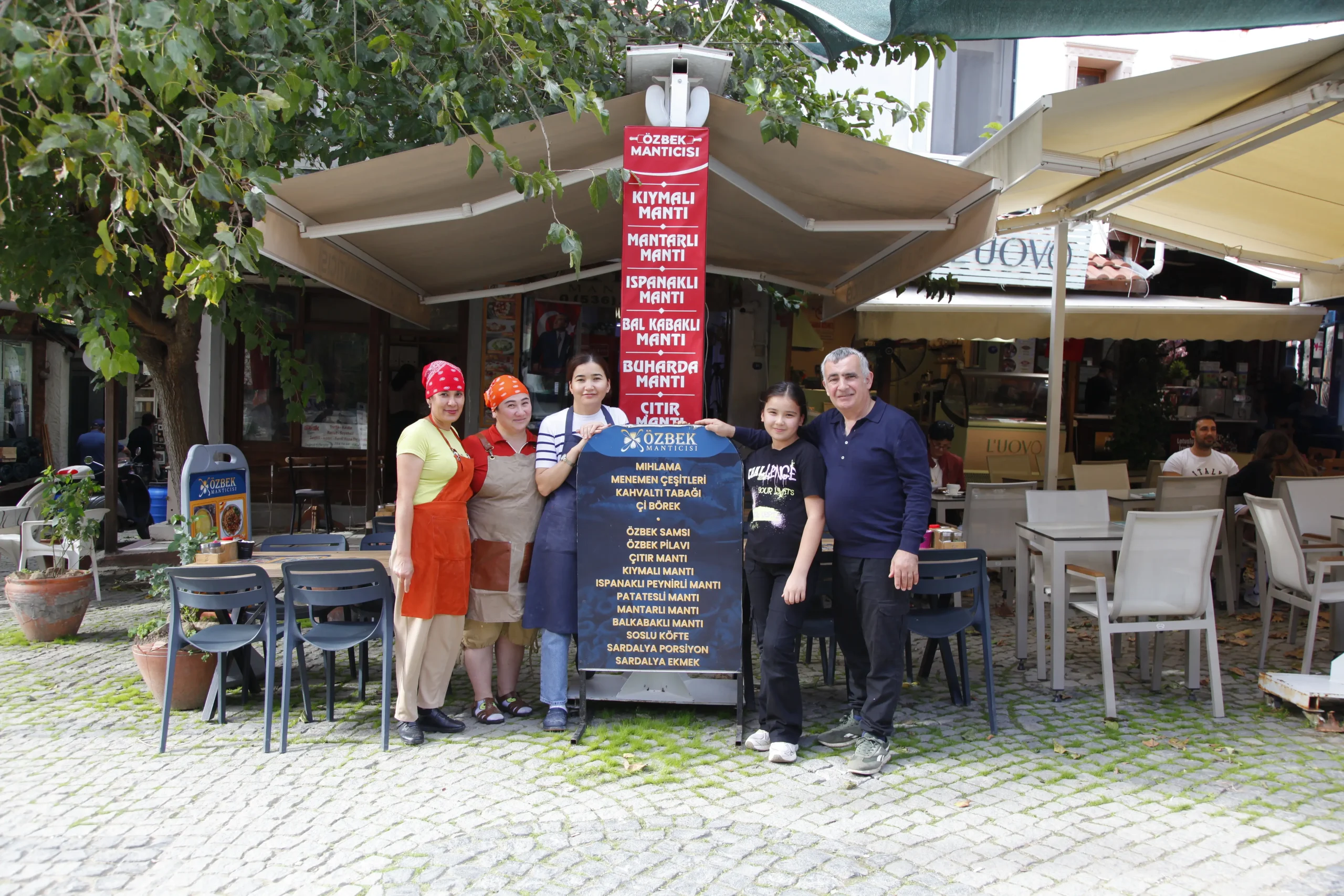
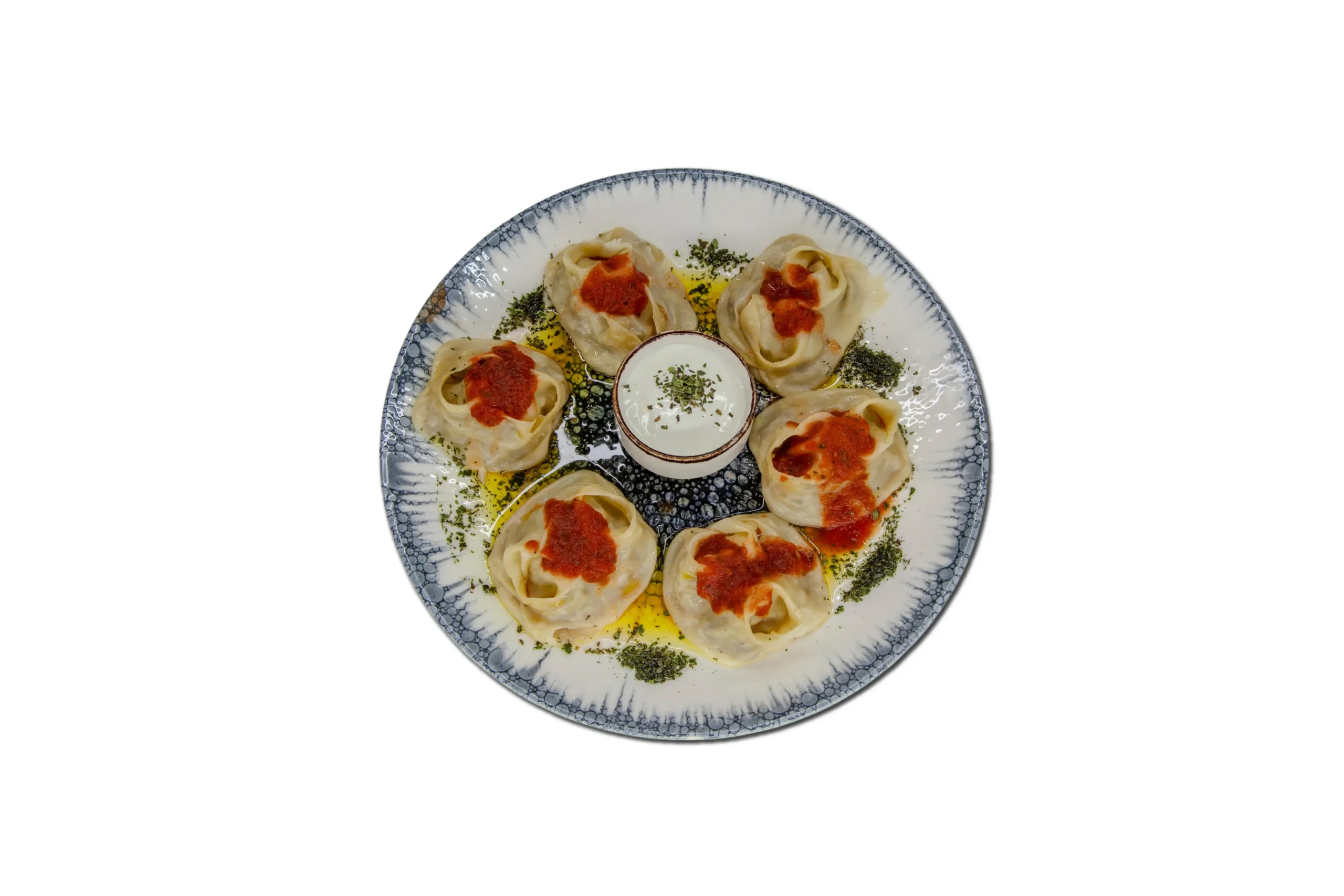
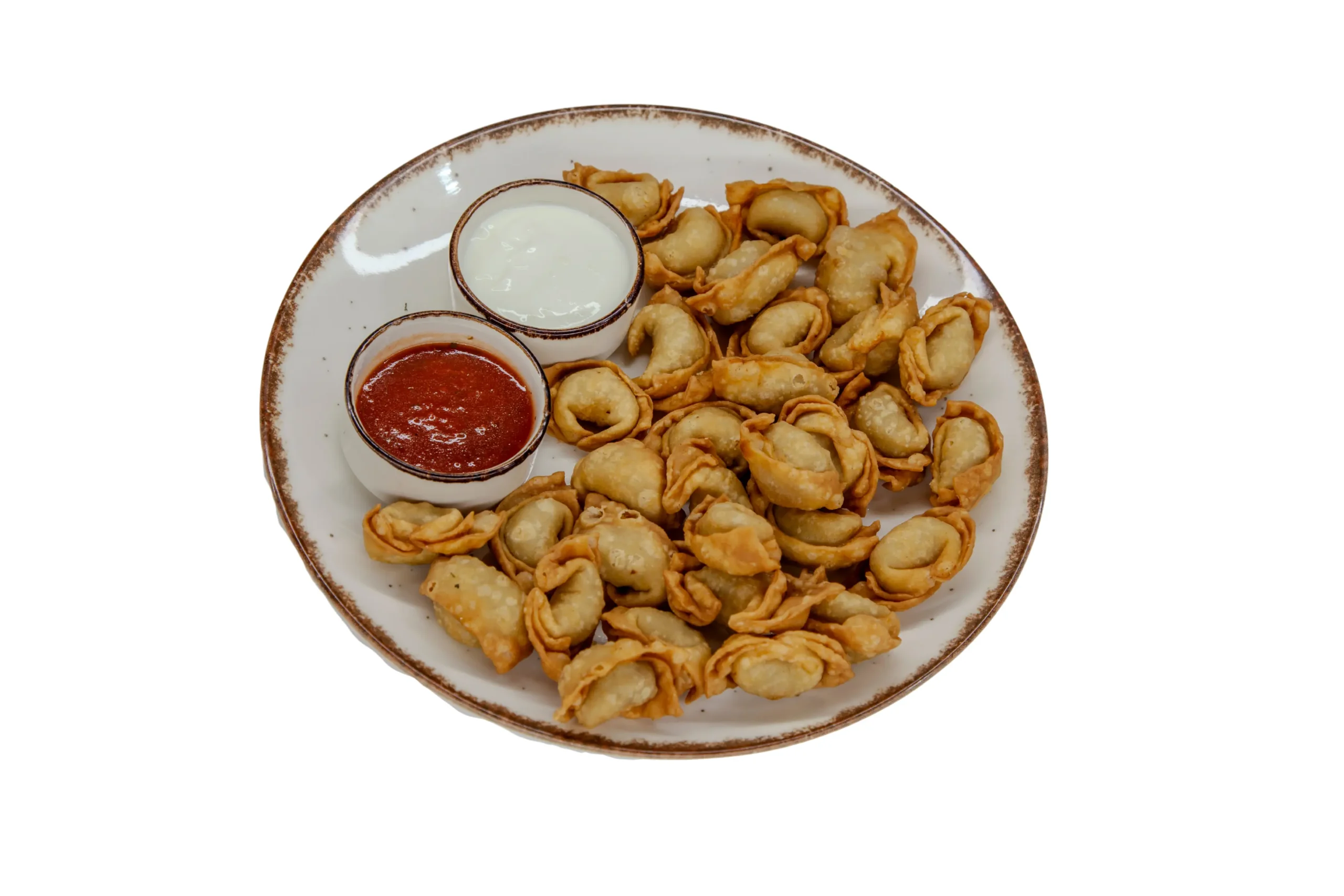
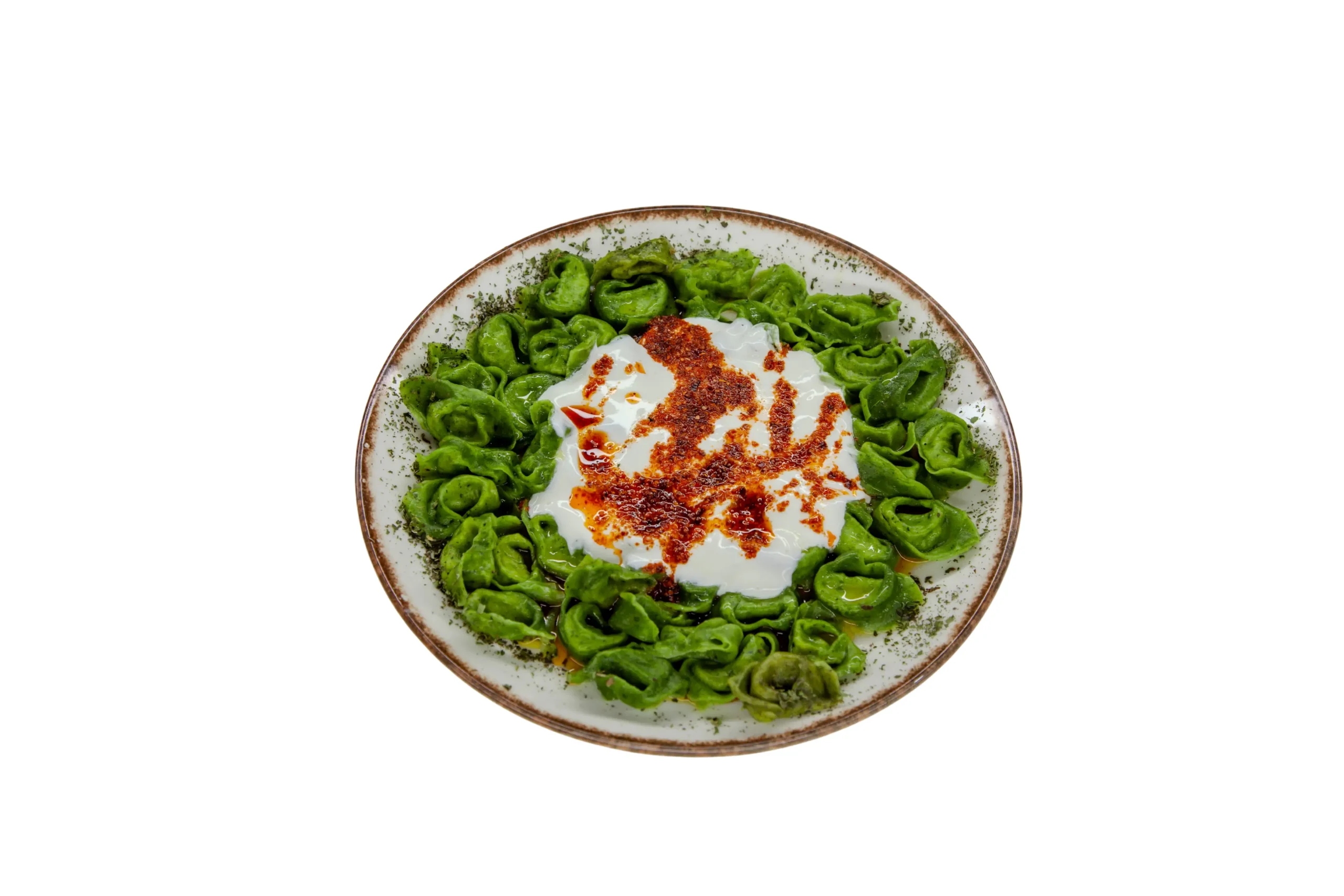
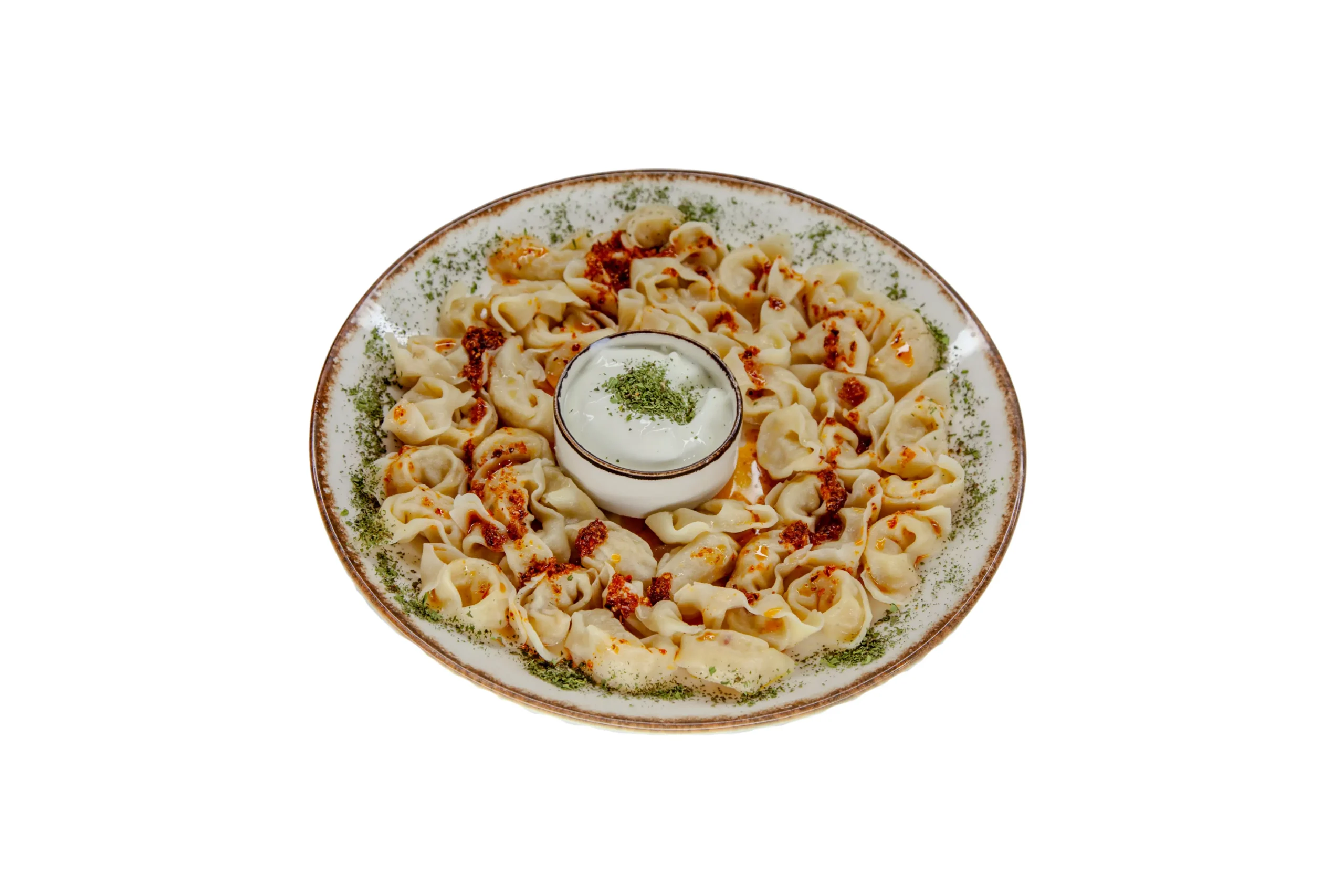
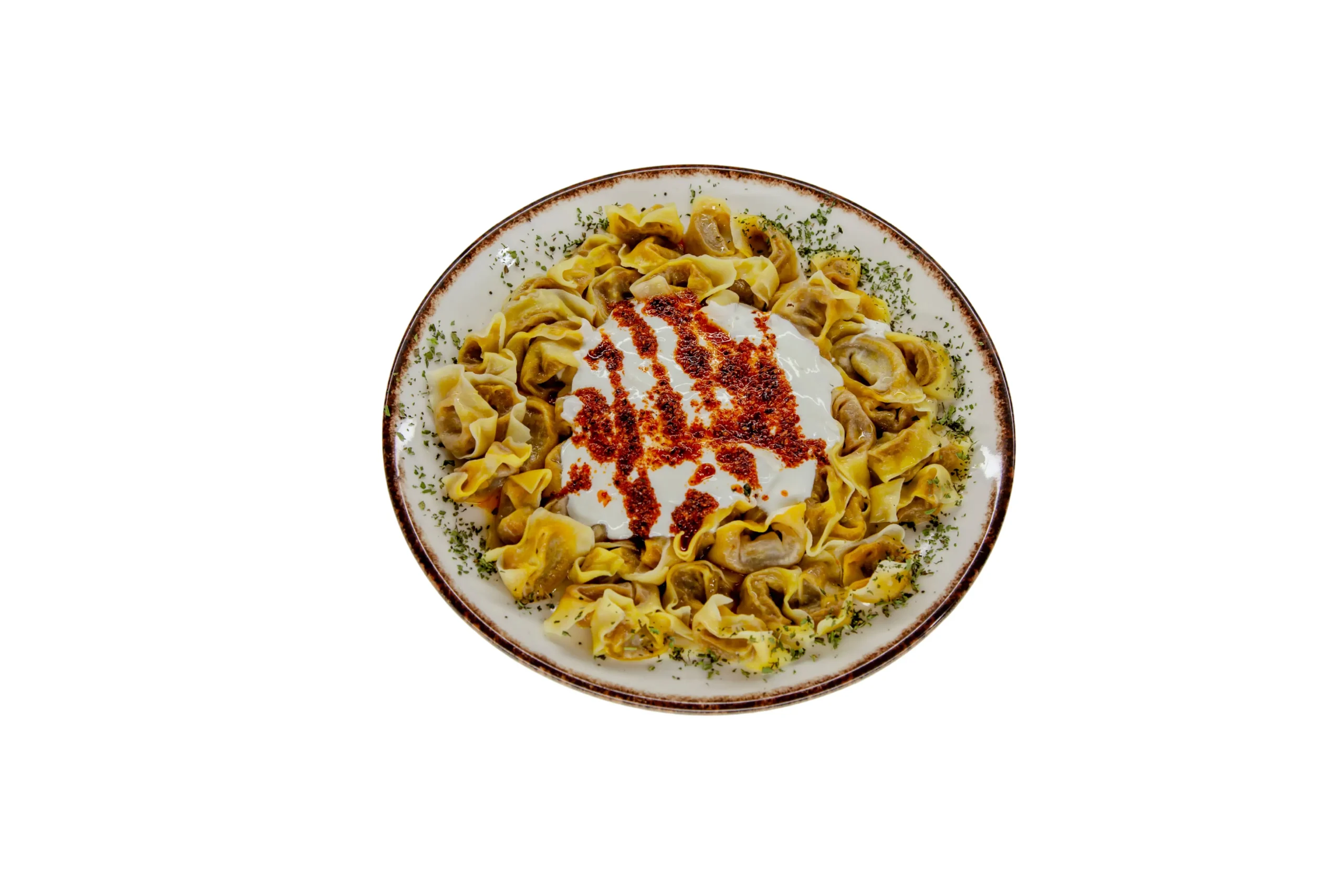
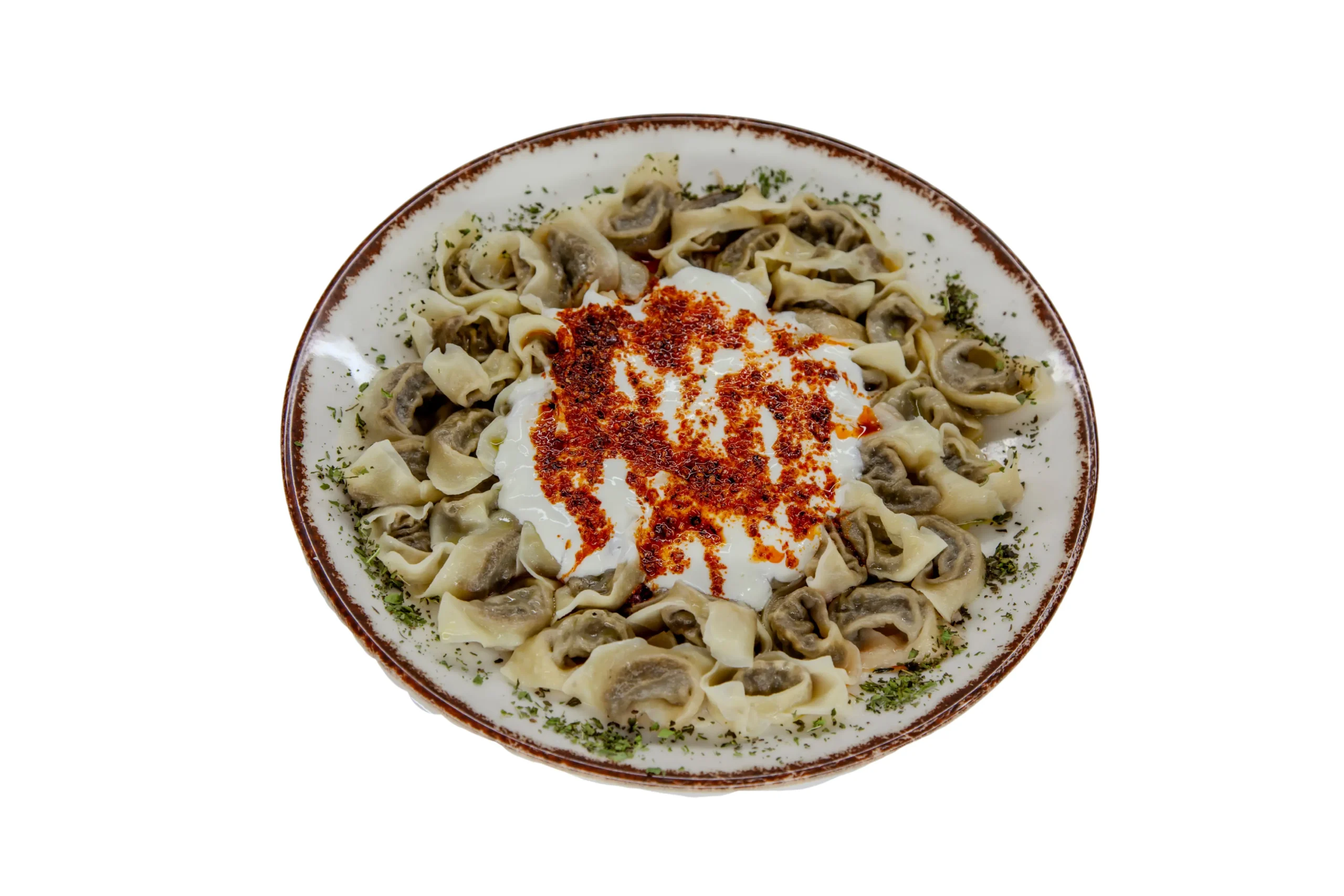
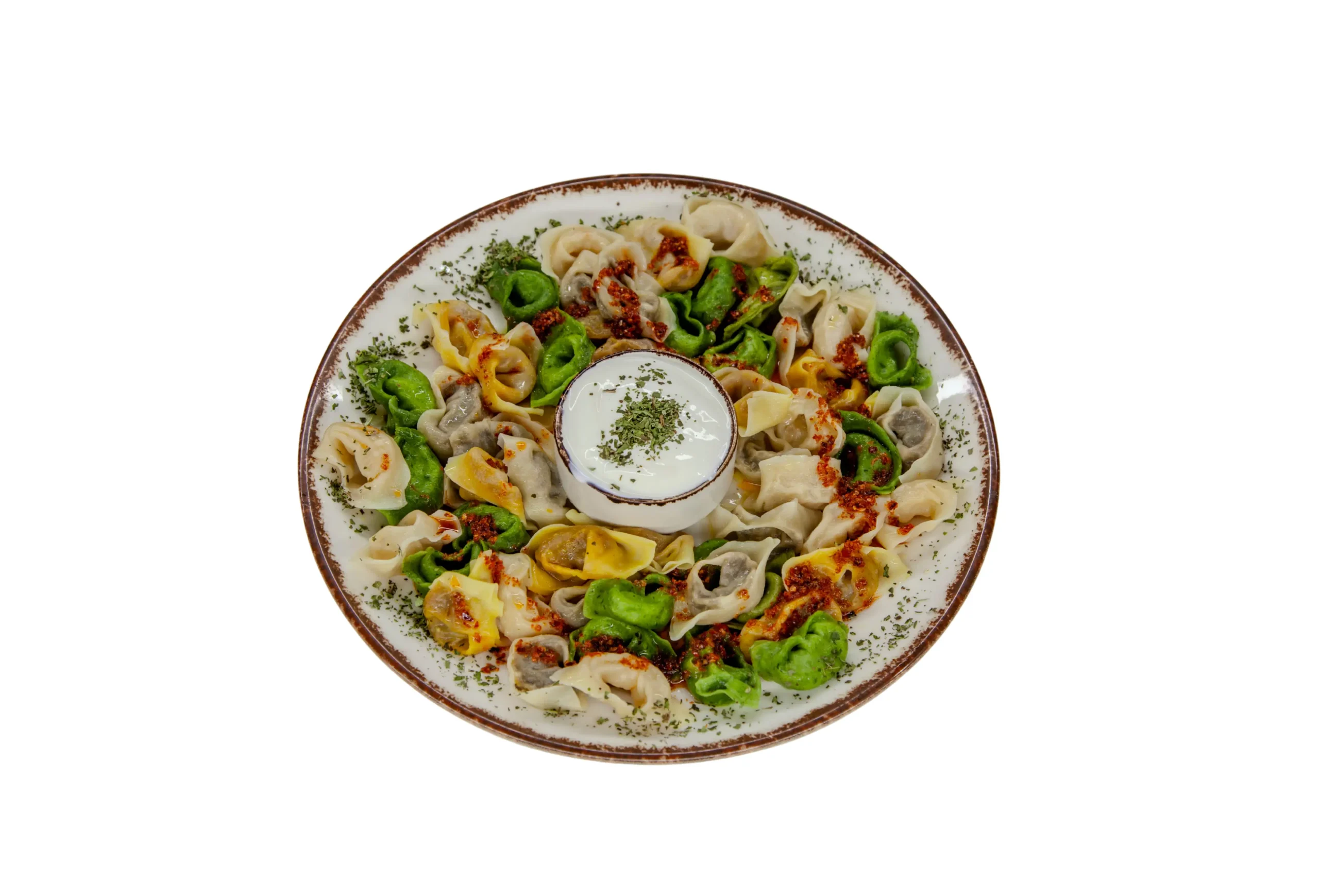
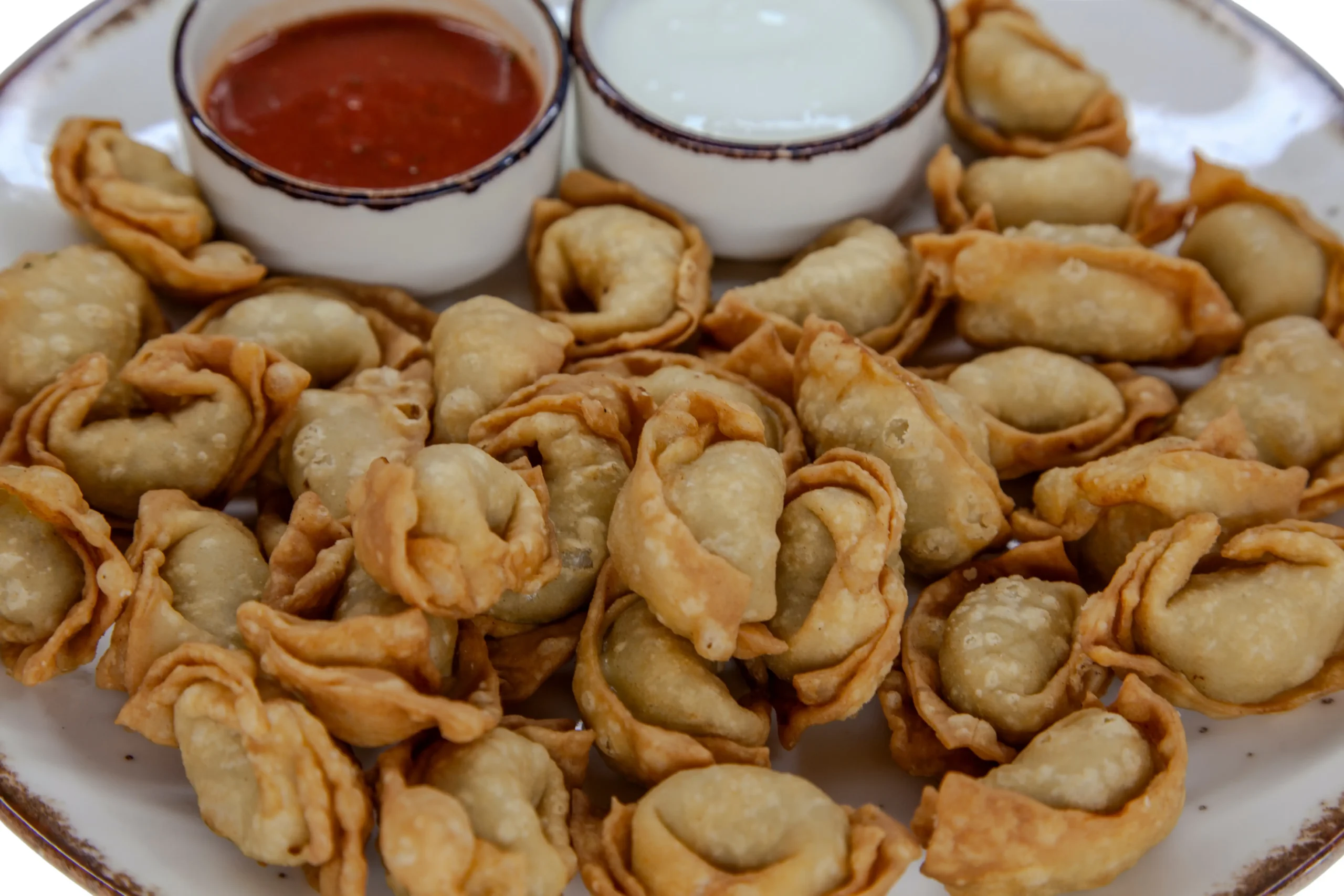
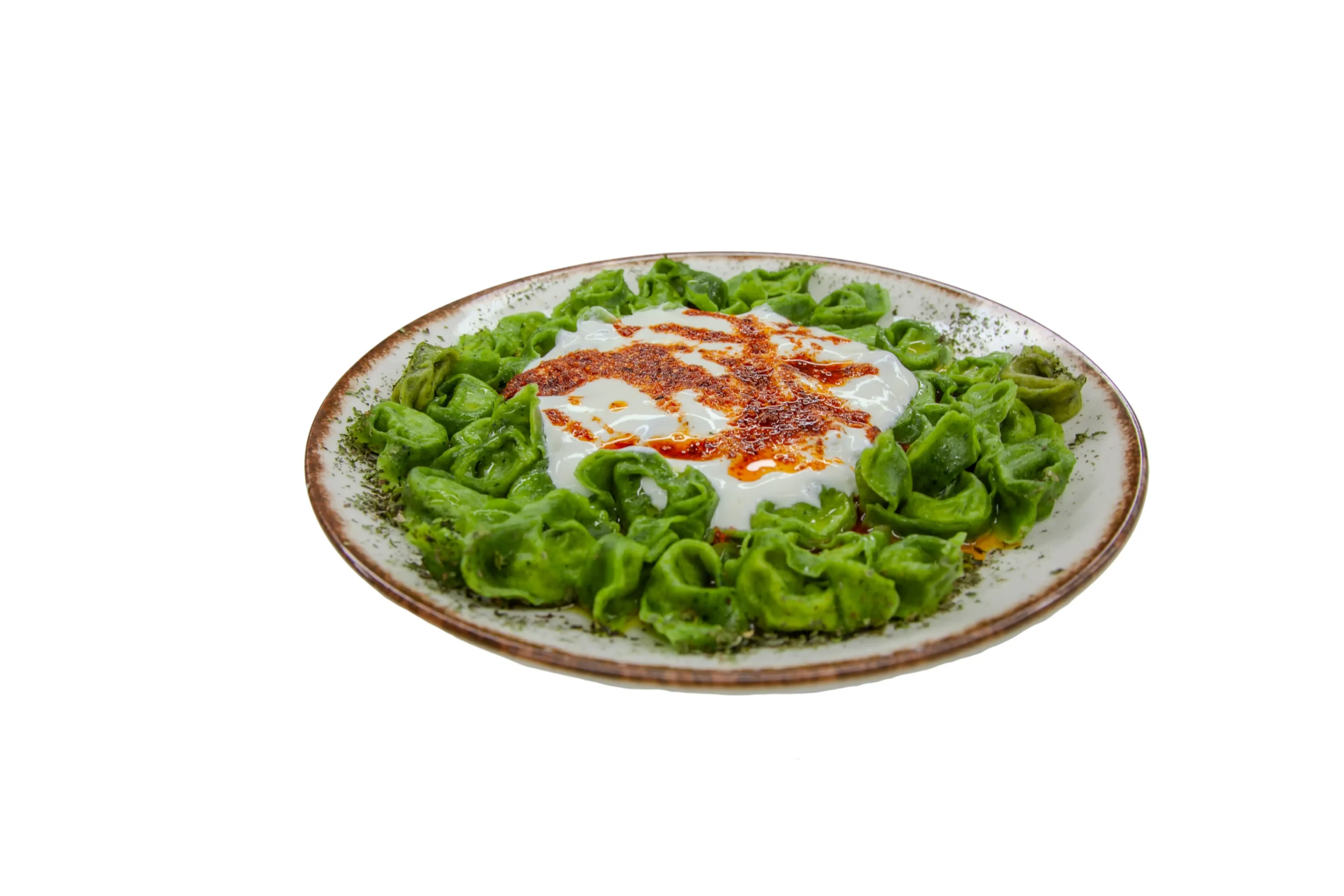
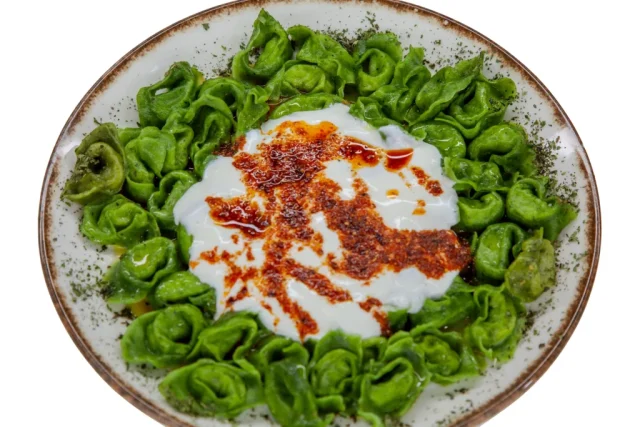
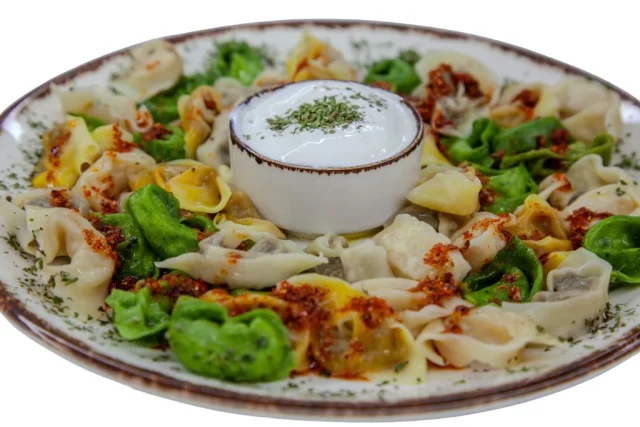
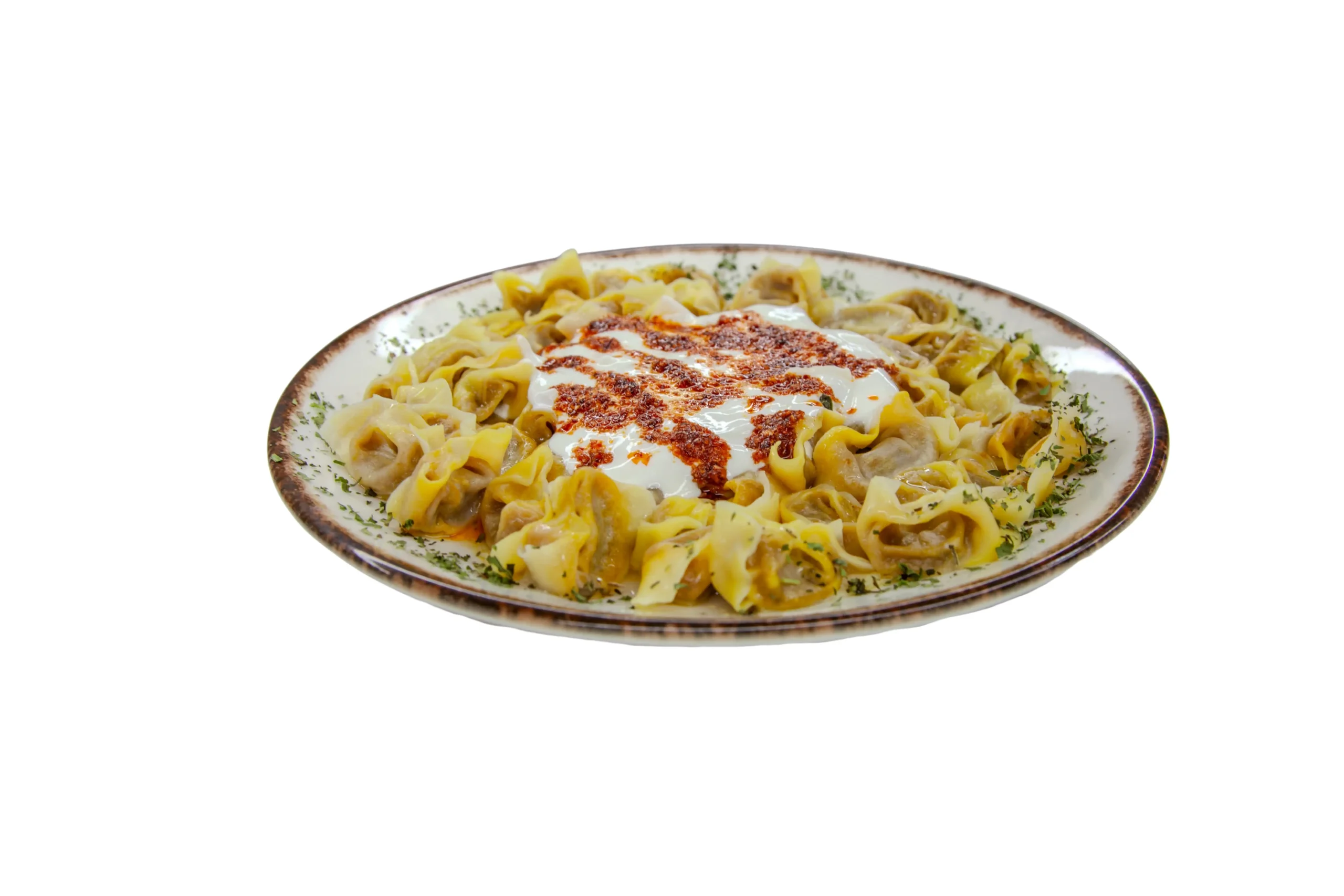
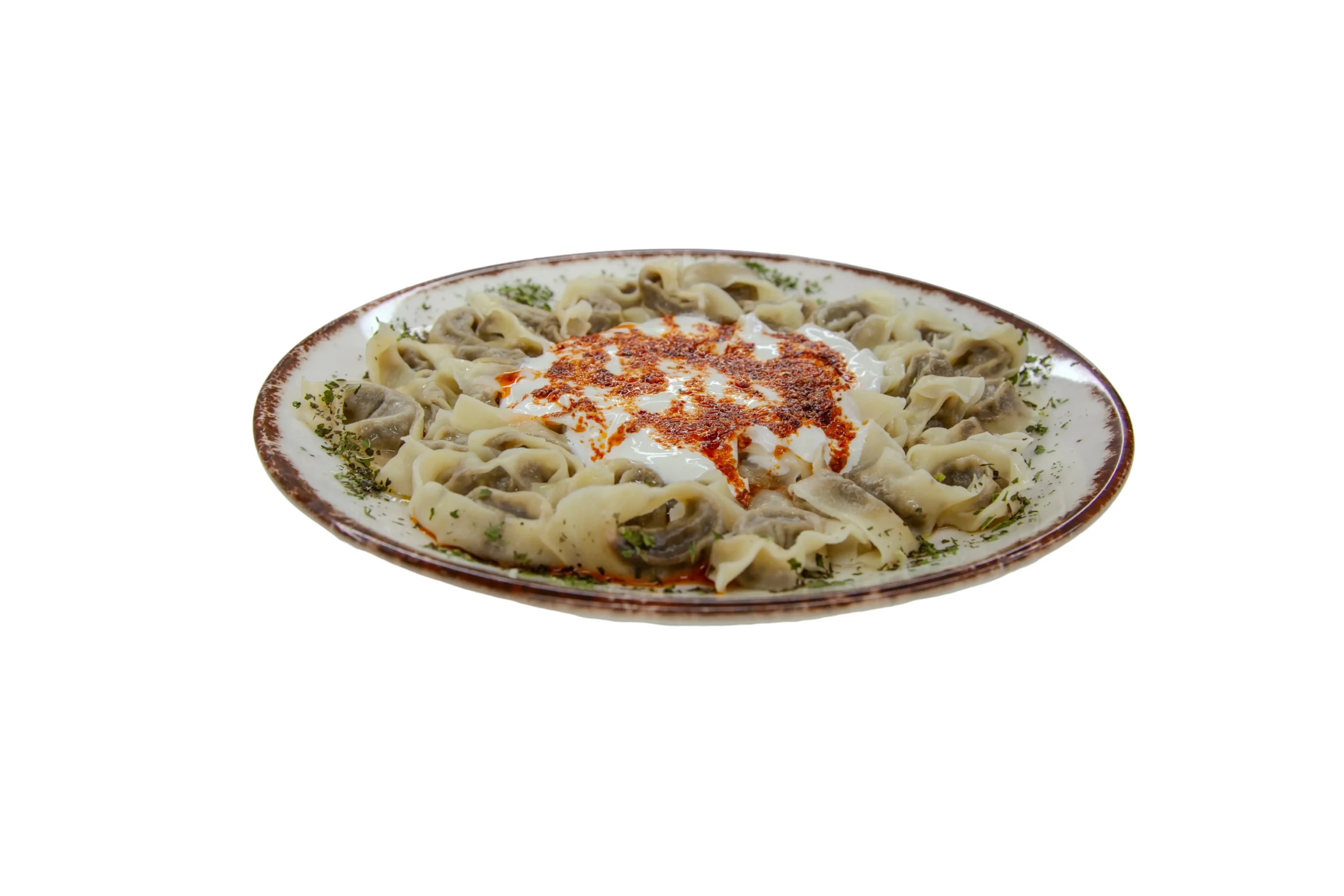
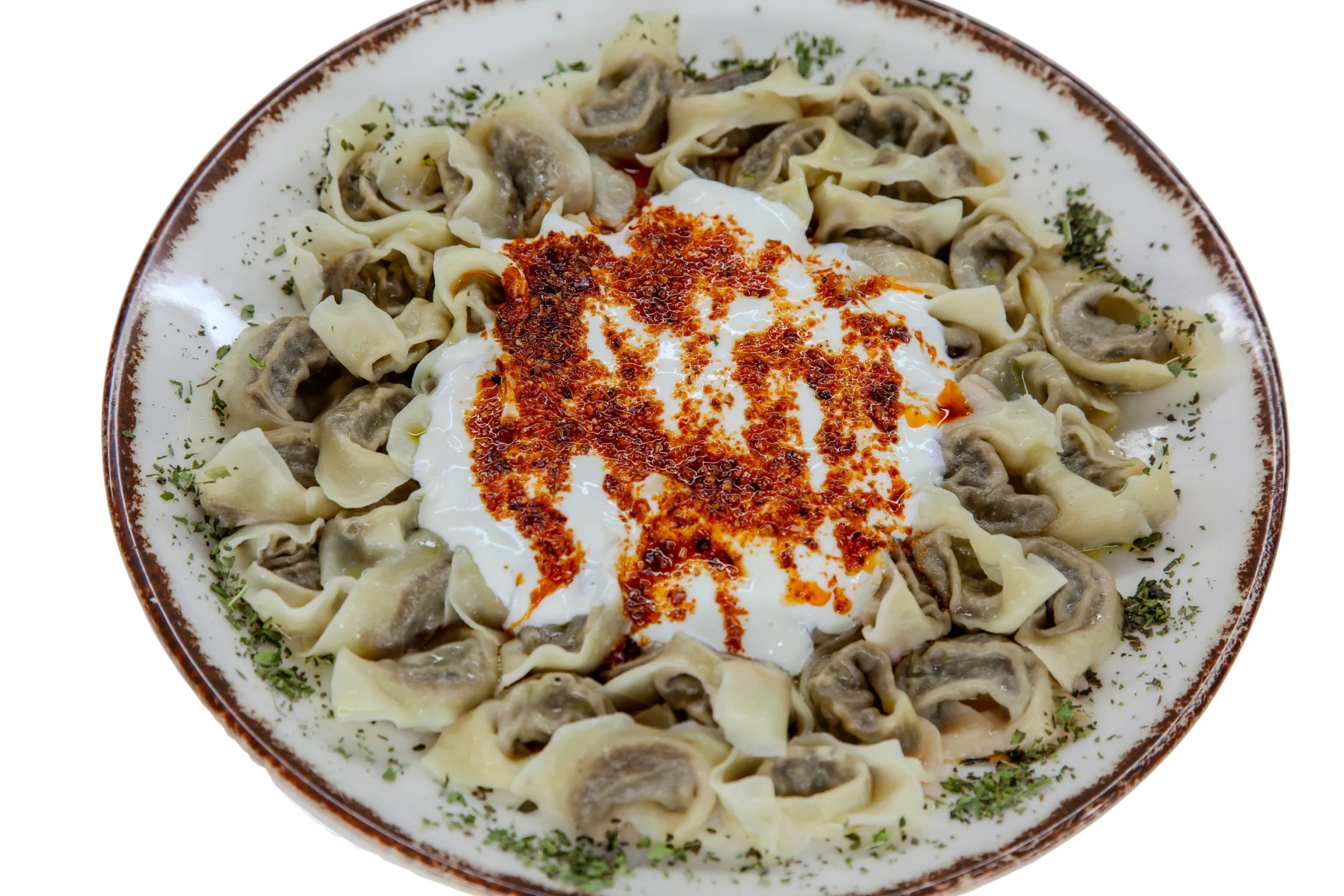
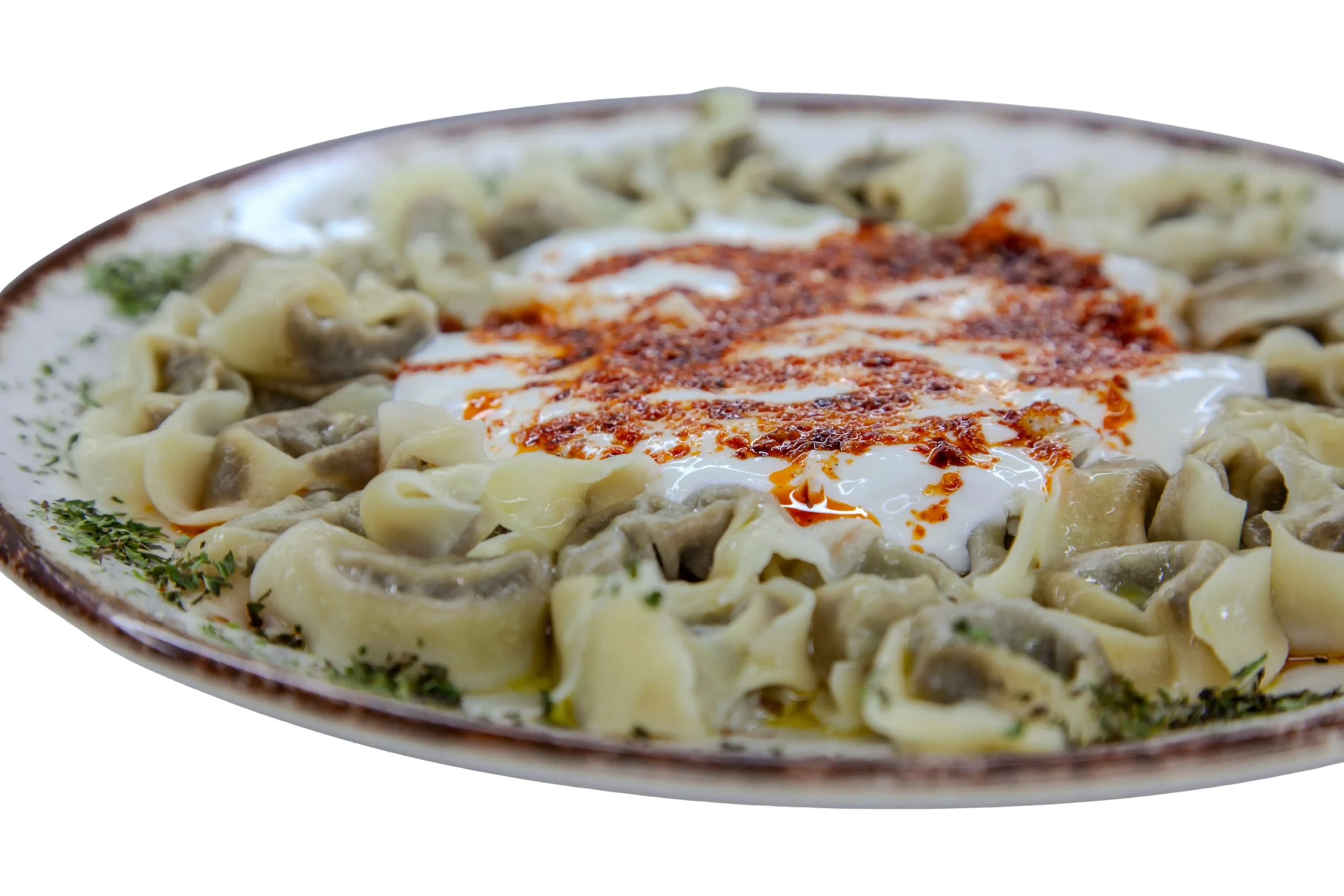
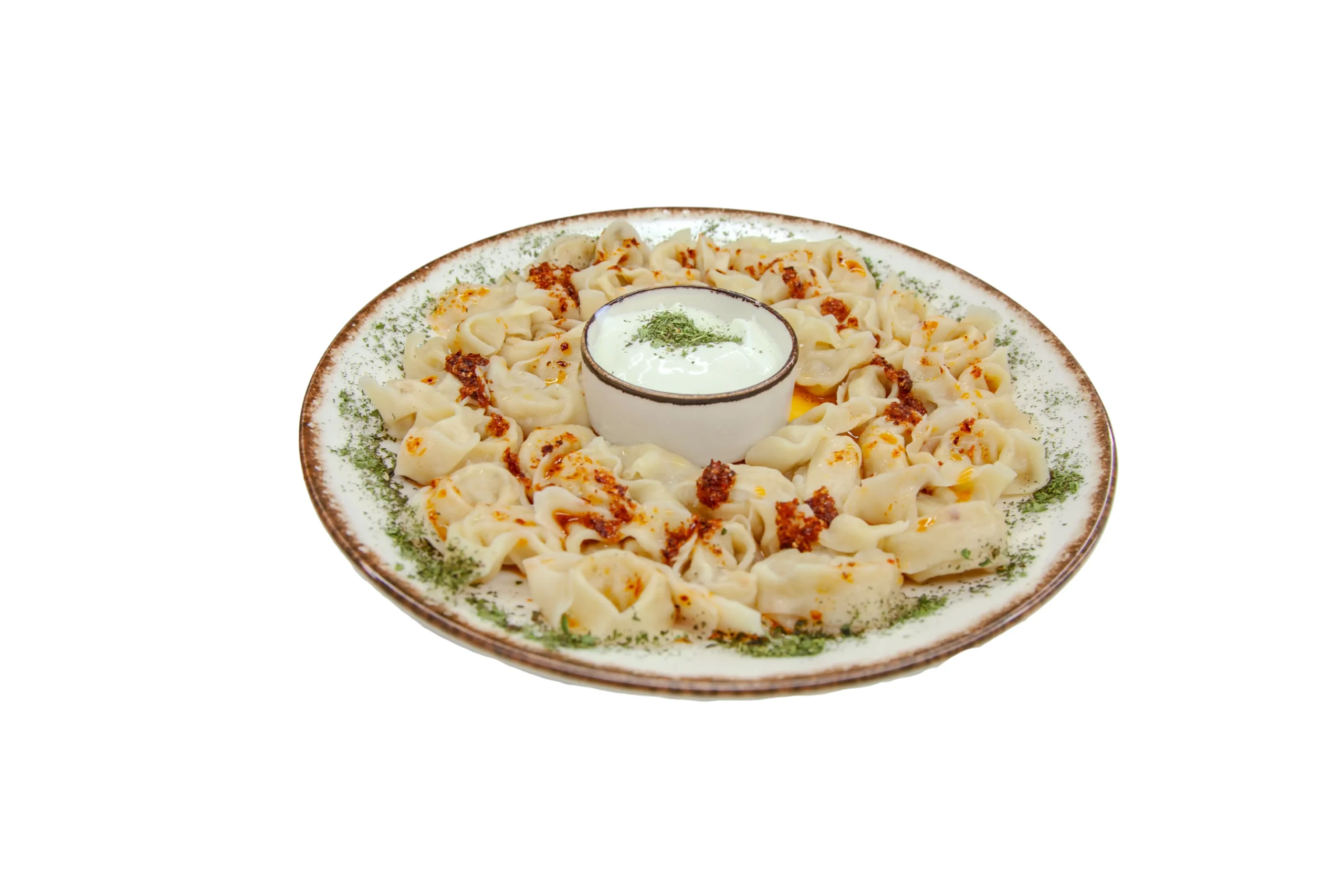
Uzbek Mantı
Monday 08:00 – 22:00
Tuesday 08:00 – 22:00
Wednesday 08:00 – 22:00
Thursday 08:00 – 22:00
Friday 08:00 – 22:00
Saturday 08:00 – 22:00
Sunday 08:00 – 22:00


1. History and Origins
Uzbek mantı developed across the Turkic-Mongol lands of Central Asia.
It spread from China to Central Asia in the 13th century, during the Mongol Empire.
The word “mantı” comes from the Chinese “mantou”, meaning "steamed dough". Uzbeks adapted the dish into a large, steamed dumpling.
2. Cultural Significance
It is one of the essential dishes of Uzbek cuisine.
Traditionally it is shared at large gatherings and at family and community meals.
It is seen as a symbol of togetherness and hospitality.
3. What Makes It Different from Other Mantı
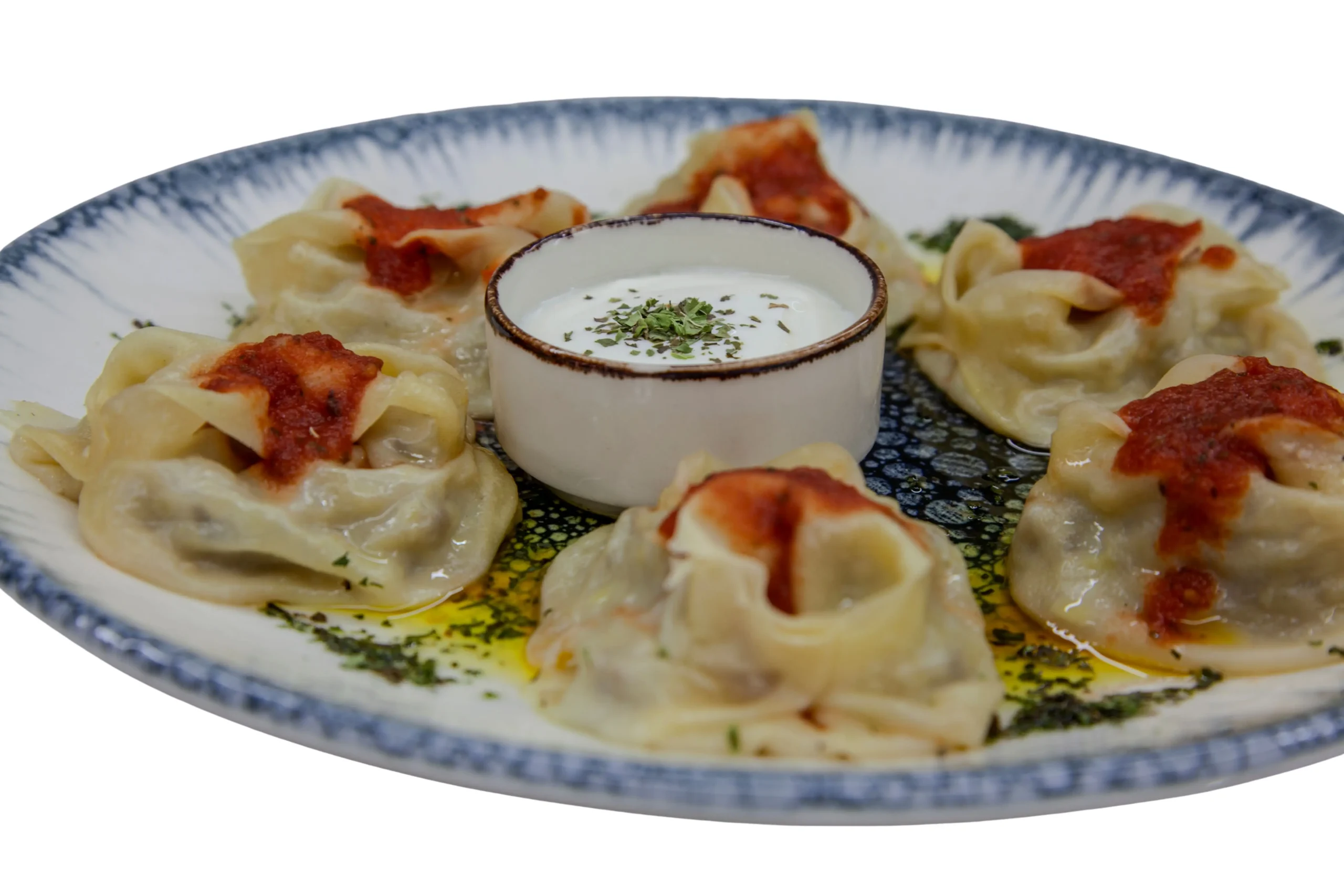
Large dumplings with thicker dough and generous portions.
The filling is usually diced meat (lamb/beef), plenty of onion and few spices.
They are steamed in a special pot (mantovarka).
They stand out for their juicy, soft texture: Turkish mantı are small and boiled in water, while Uzbek mantı are steamed and much larger.
They are usually served with butter or meat broth.
4. Ingredients
For the dough:
4-5 cups of flour
1-2 eggs
1 dessert spoon of salt
1-2 cups of warm water
(milk and vegetable oil can be added if you like)
For the filling:
600-700 g minced lamb/beef or finely diced meat
6-7 large onions
Salt, black pepper, and cumin and chilli flakes to taste
For the topping:
Butter
Garlic yoghurt (optional)
Onion with sumac, or vinegar (traditional serving)
5. Preparation and Cooking
Knead a medium-firm dough with the flour, eggs, salt and water, then let it rest.
Roll the dough out large and thin, and cut it into 8-10 cm squares.
For the filling, mix the meat, plenty of onion, salt and spices.
Put some filling in the middle of each square and pinch the edges together into the classic mantı shape.
Arrange them in the steamer pot (mantovarka) and steam for about 30-40 minutes.
To serve, drizzle with melted butter and serve with yoghurt.
6. Serving
Traditionally it is served on large platters, in some regions with meat broth or butter.
It can be served with yoghurt and onion with sumac on the side.
It is meant for sharing and is offered at communal tables.
7. Nutrition and Calories
Per 100 g, on average:
162-390 kcal
24.8-60 g carbohydrates
5.7-13.7 g protein
4-9.8 g fat
1.5 g fibre
Cholesterol: 22-53 mg
Potassium: 110-264 mg
Calcium: 8.7-20.9 mg
It also contains vitamins A and C.
8. Tips and Tricks
The dough should be just firm enough: not too soft and not too hard.
More onion makes the filling juicier.
Make sure to keep the mantı covered while they steam.
If you don't have a steamer pot, you can place a wire strainer in a regular pot.
9. Alternatives and Variations
Fillings with minced or diced meat, potato or pumpkin.
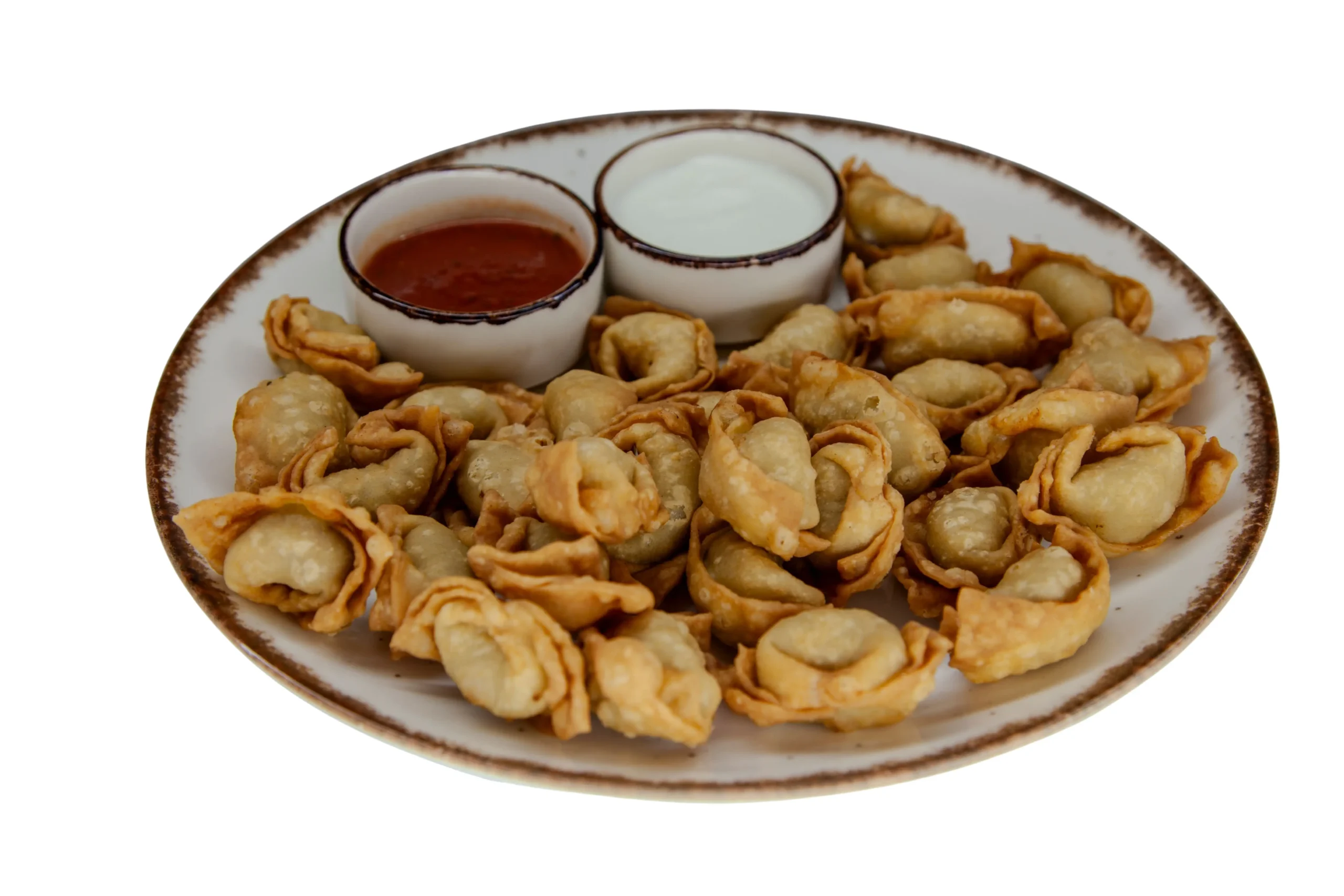
It can also be baked in the oven or made with other cooking methods.